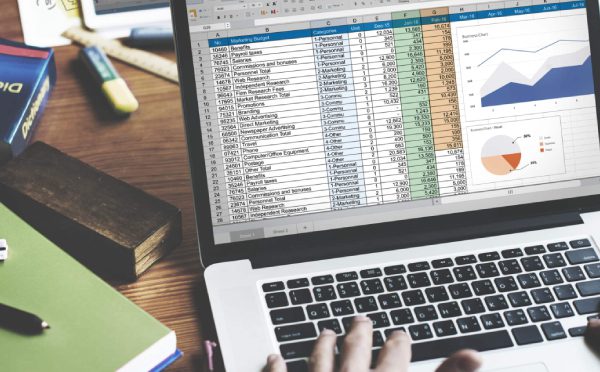
Computerised Accounting refers to the use of accounting software and computer systems to record, process, and store financial data. Unlike traditional manual accounting, which relies on physical records and calculations, computerised systems offer faster, more accurate, and more efficient methods of managing financial information.
Key Features of Computerised Accounting
Some major features of computerised accounting systems include:
- Automation: Transactions are recorded automatically, reducing manual input.
- Real-time Processing: Financial reports and statements can be generated instantly.
- Accuracy: Minimises human error in calculations and data entry.
- Data Security: Financial data is stored securely and can be backed up regularly.
- Scalability: Suitable for businesses of all sizes, from small enterprises to large corporations.
Benefits of Computerised Accounting Over Manual Accounting
Computerised accounting has transformed the way businesses manage their finances. Key advantages include:
- Improved Accuracy: Computerised accounting systems significantly reduce human error in calculations. Once data is input correctly, the system automatically handles complex calculations, reducing the risk of mistakes that are common in manual bookkeeping.
- Real-Time Reporting and Updates: Financial reports and records are updated in real-time as transactions are entered. This enables timely decision-making and gives an up-to-date view of financial health at any moment.
- Enhanced Security and Data Backup: These systems often come with built-in security features such as user authentication and role-based access. Additionally, data can be automatically backed up to prevent loss due to system failure or human error.
- Better Audit Trail: Computerised systems maintain a complete log of all transactions, edits, and updates. This clear audit trail simplifies internal reviews and external audits, making compliance with financial regulations easier.
- Scalability: As businesses grow, computerized accounting systems can easily scale to handle increased transaction volumes, additional users, and more complex financial processes—something that’s difficult with manual systems.
- Advanced Analytics and Forecasting: Modern accounting software can generate advanced analytics and predictive financial models. This supports budgeting, cash flow forecasting, and scenario planning, which are harder to manage manually.
- Customisation and Automation: Reports, invoices, and workflows can be customized to fit business needs. Recurring tasks (like monthly reports or payroll) can be automated, saving time and reducing manual input.
- Environmental Benefits: Reducing the need for paper records contributes to more sustainable, eco-friendly business practices by lowering paper usage and physical storage requirements.
Computerised accounting has become an essential tool for modern financial management. It simplifies accounting processes, enhances accuracy, and supports better decision-making. Its advantages make it a crucial asset for any business aiming for efficiency and growth. Hence, hiring the experts who specialise in offering professional computerised accounting services is the best decision. You can be sure of getting exceptional service, and that too at an affordable price.